
"How Should We Think About . . . . . .X?"
My Reading List for 2026 (and Beyond)

One habit I keep from year to year is compiling a reading list of new, recent, or older books that I intend to read during the year. I usually don’t work my way through the list completely, because my interests change during the course of a year—and sometimes emerging issues gain greater urgency. Some new authors receiving much attention fade into the background after I peruse some reviews, and other titles surface and take their place. But a working list helps me track my interests against the rapidly mutating “content” recommendations of social media platforms and commentary on podcasts and other formats with more transient influences.
My reading list reflects questions that emerge and re-emerge from year to year—questions which in turn stimulate other questions. One metaphor I find useful is that of a kaleidoscope-- one filled with new authors, reviews, and associated interviews that keep shifting, reforming and coalescing over time. I look to see what’s emerging as the most salient and visible in influencing the broader culture—particularly titles coming from within the academy with a potential wider reach. I also find the Substack Notes “ecosystem” itself an excellent complement to regular book review forums and supplements such as those in The Wall Street Journal, The New York Times, the Los Angeles Times, because Substack writers fill in the interstices of larger debates and discussions with the “Notes”, and also promote their own and others’ books, or offer arguments and counterpoints to the claims made in those books.
I also rely on numerous opinion journals and media outlets that run the gamut in political and cultural commentary, from Persuasion to The Dispatch to Quillette to more specialized niche journals like Hedgehog Review, the Metropolitan Review, or The Point. The idiosyncratic Works in Progress substack and newsletter also fill in gaps with less-explored topics and authors. At a wider audience level, The New York Review of Books can be counted on for a reliably progressive interpretation of new books or the canon of a single author; while the Claremont Review of Books and the Manhattan Institute’s City Journal offer conservative or right-populist reviews. I find all of them necessary at different times to get the widest angle on political, cultural, artistic, and international perspectives on new authors, or perennially popular ones.
I am identifying these titles in particular to help me think through emerging questions arising from emerging controversies, or quite possibly, imponderables. I’m especially interested in authors who present new perspectives that help me with this larger framing: “How should we think about [difficult or complex topic X]?” It’s a journey in perspective-taking that I hope encourages more questions, and quite possibly, fewer answers, or maybe provisional ones, since “answers” too often stifle continued curiosity.
With this background, here is the list I’ve developed of forthcoming, current, recent, or re-emerging books that I’m adding to my list for the rest of 2026 (and beyond). I hope that my recommended titles that follow respond to my questions, and speak to each other in intersecting, coalescing, diverging, or generative ways. If readers are aware of others along these lines, please let me know in the comments!
There’s much commentary now about the current state of the Internet and how broken it is, and how social media environments add to the polarization and lack of understanding across divides. How should we think about possible alternatives to the current Internet?
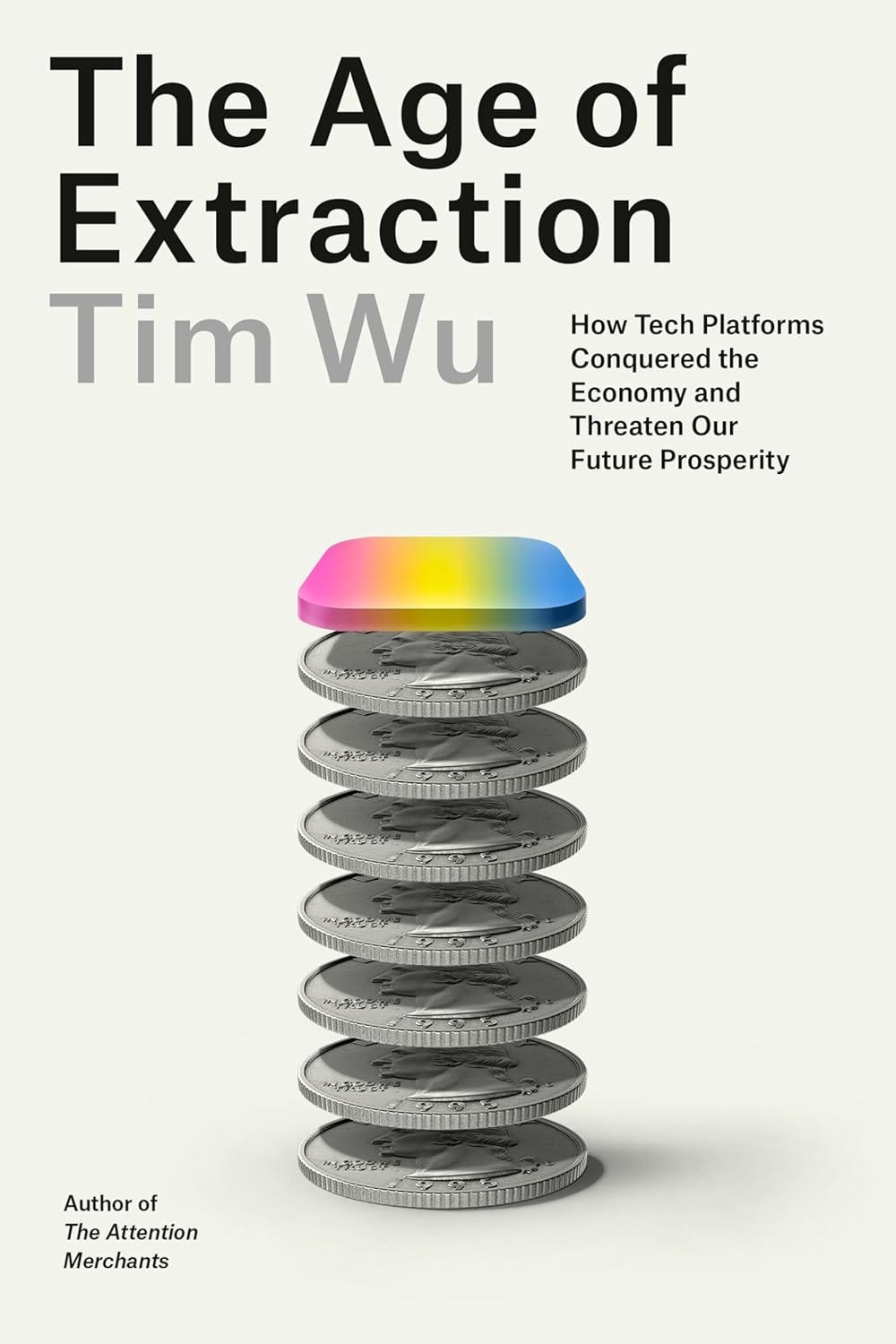
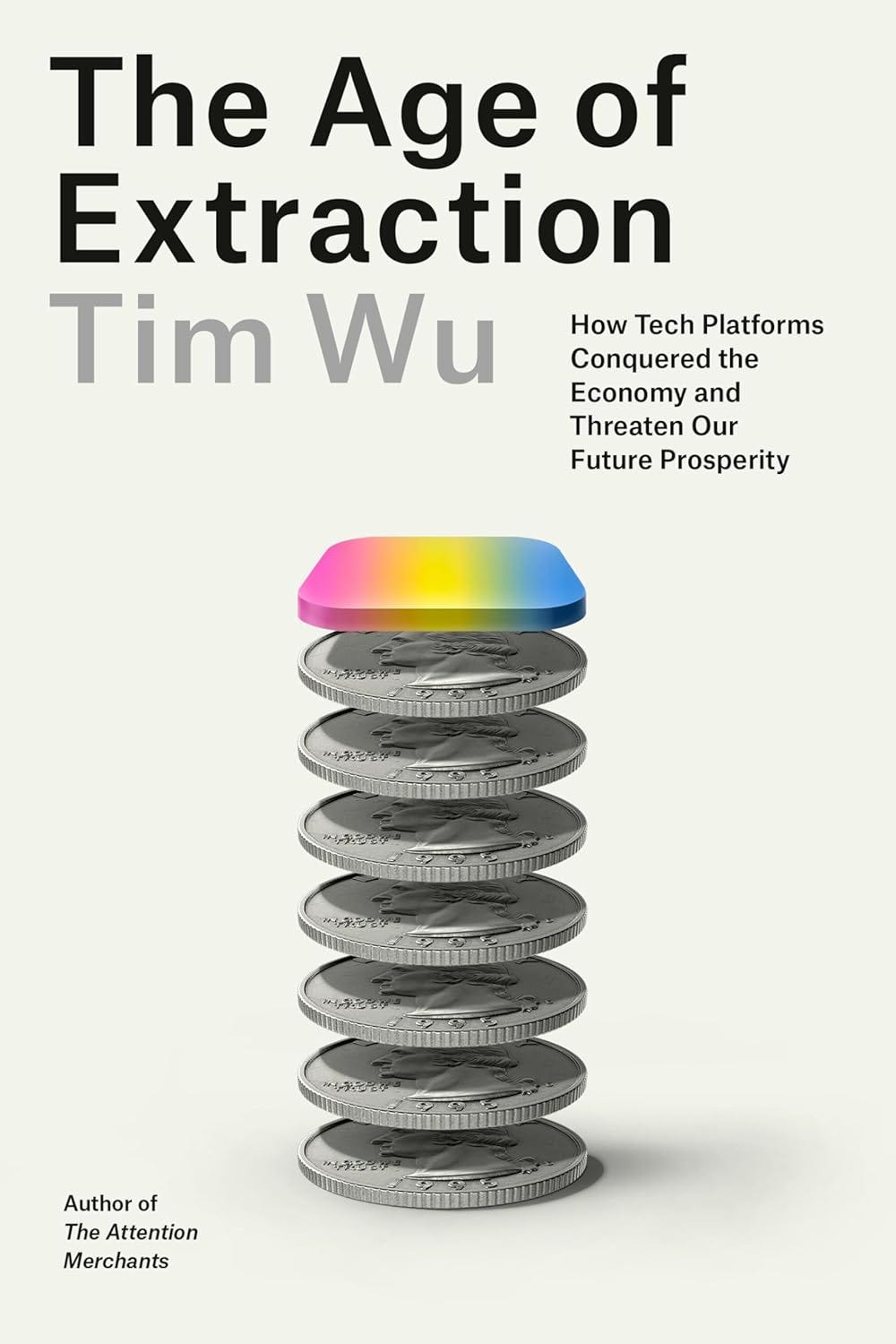
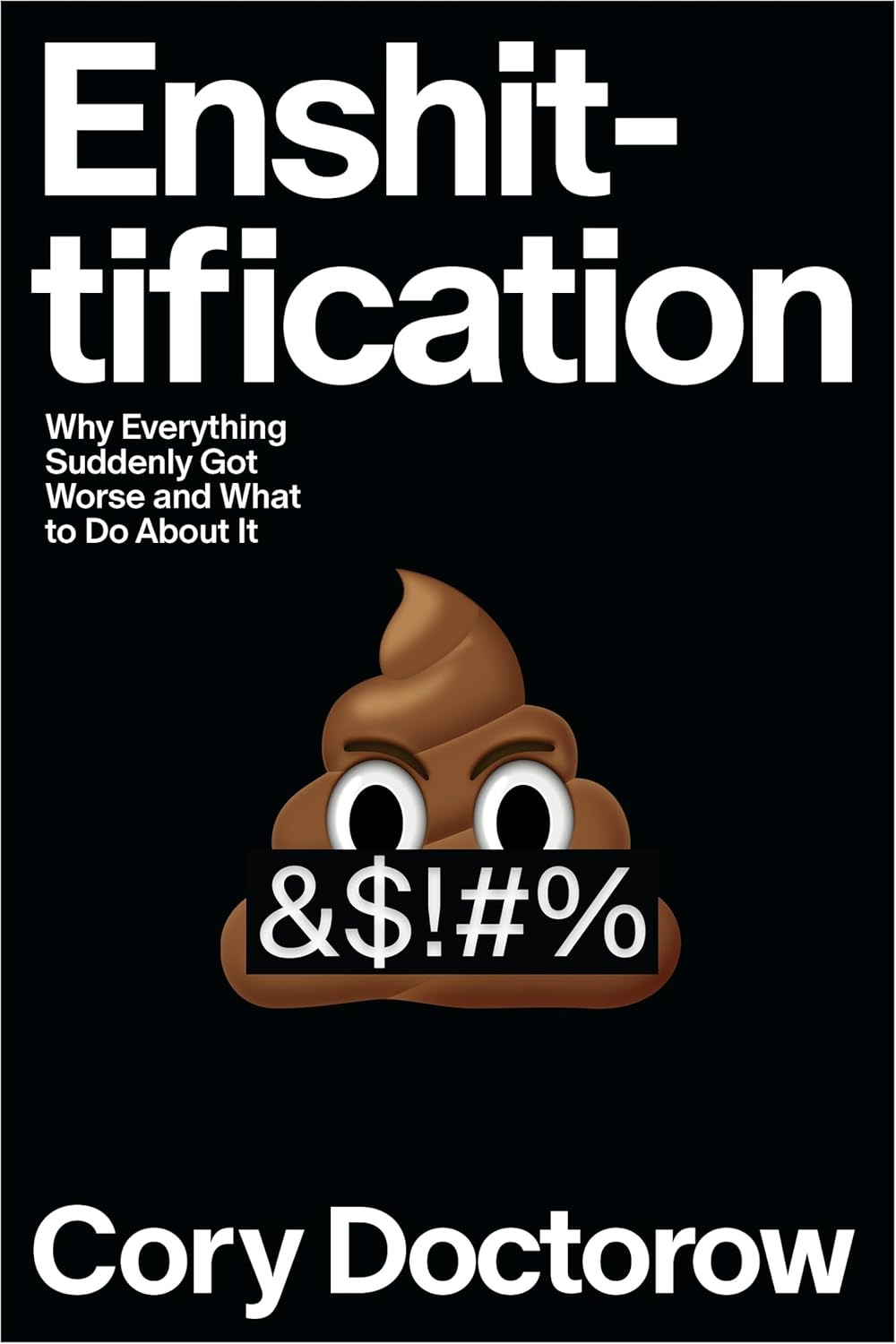
What is the current state of free speech in the U.S. compared to laws and norms in Europe and in other parts of the world? How should we think about these differences?
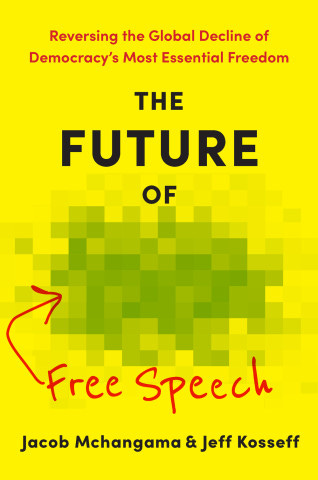
The Future of Free Speech: Reversing the Global Decline of Democracy’s Most Essential Freedom Jeff Kosseff - Google Search [forthcoming]
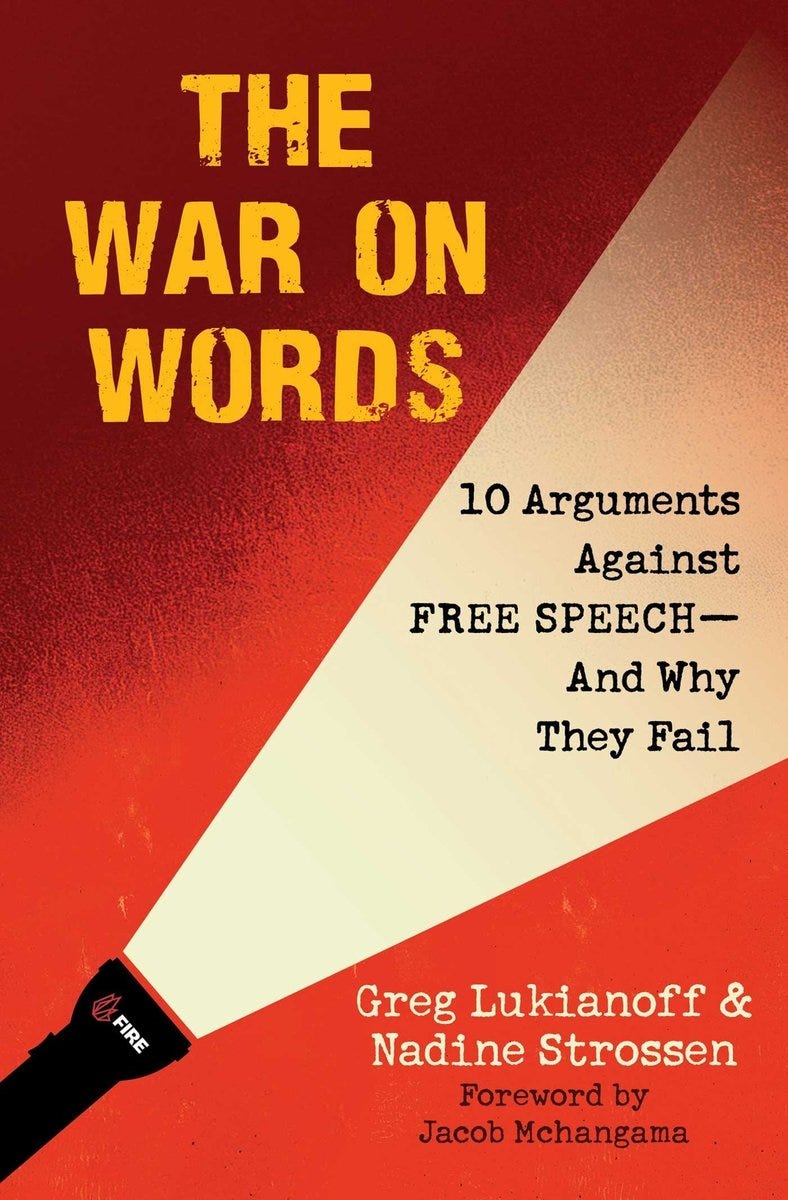
The book publishing industry appears to be afflicted with a variety of ills—changing reader habits, but also internal politics and viewpoint restrictions that limit the widest possible publishing of views, no matter how contested. What is driving this internal culture in the publishing field, and how is it affecting established and emerging writers?
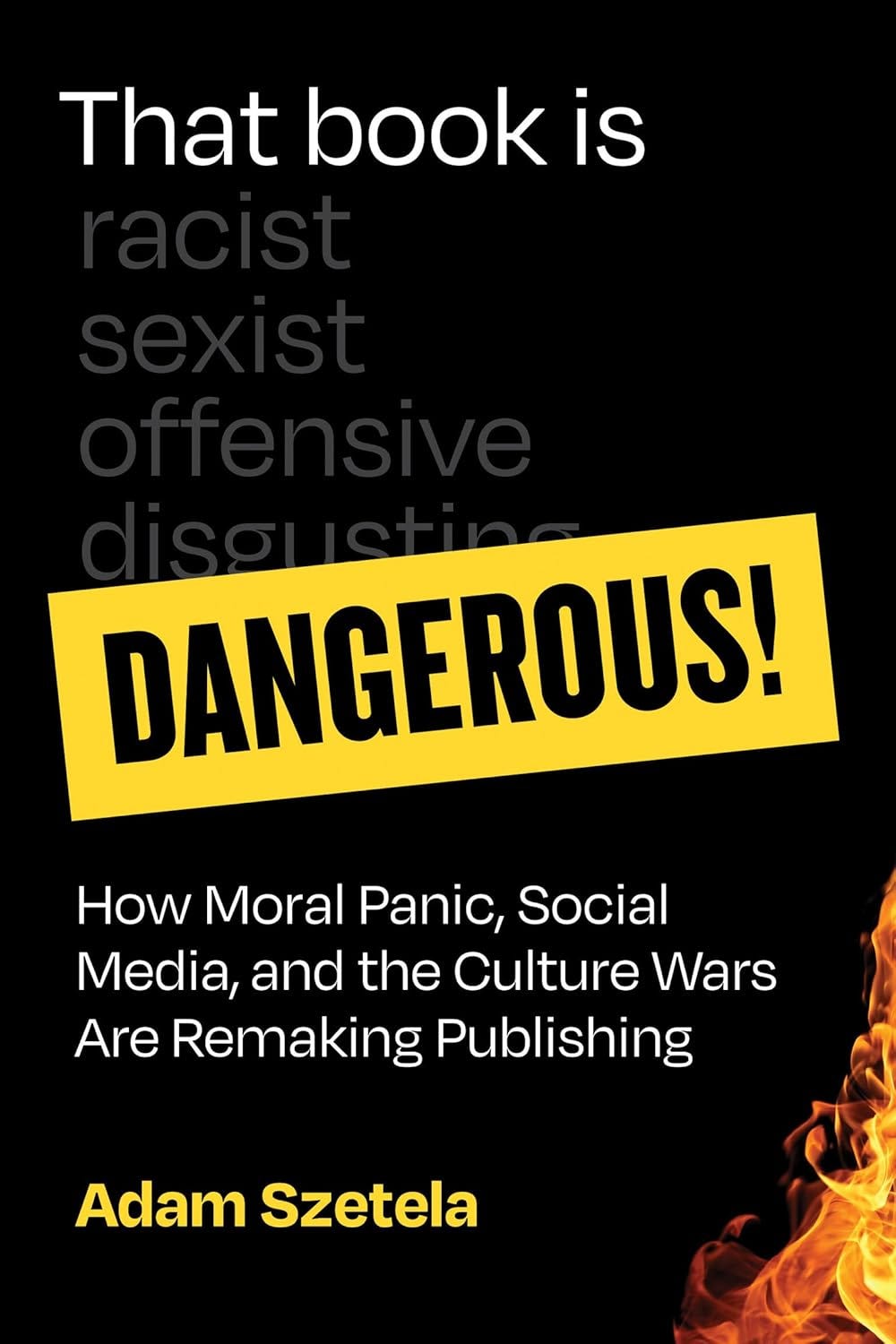
How can we make sense of the saturated, frenetically shape-shifting, and polarized commentary on Generative Artificial Intelligence, and now Agentic A.I.?
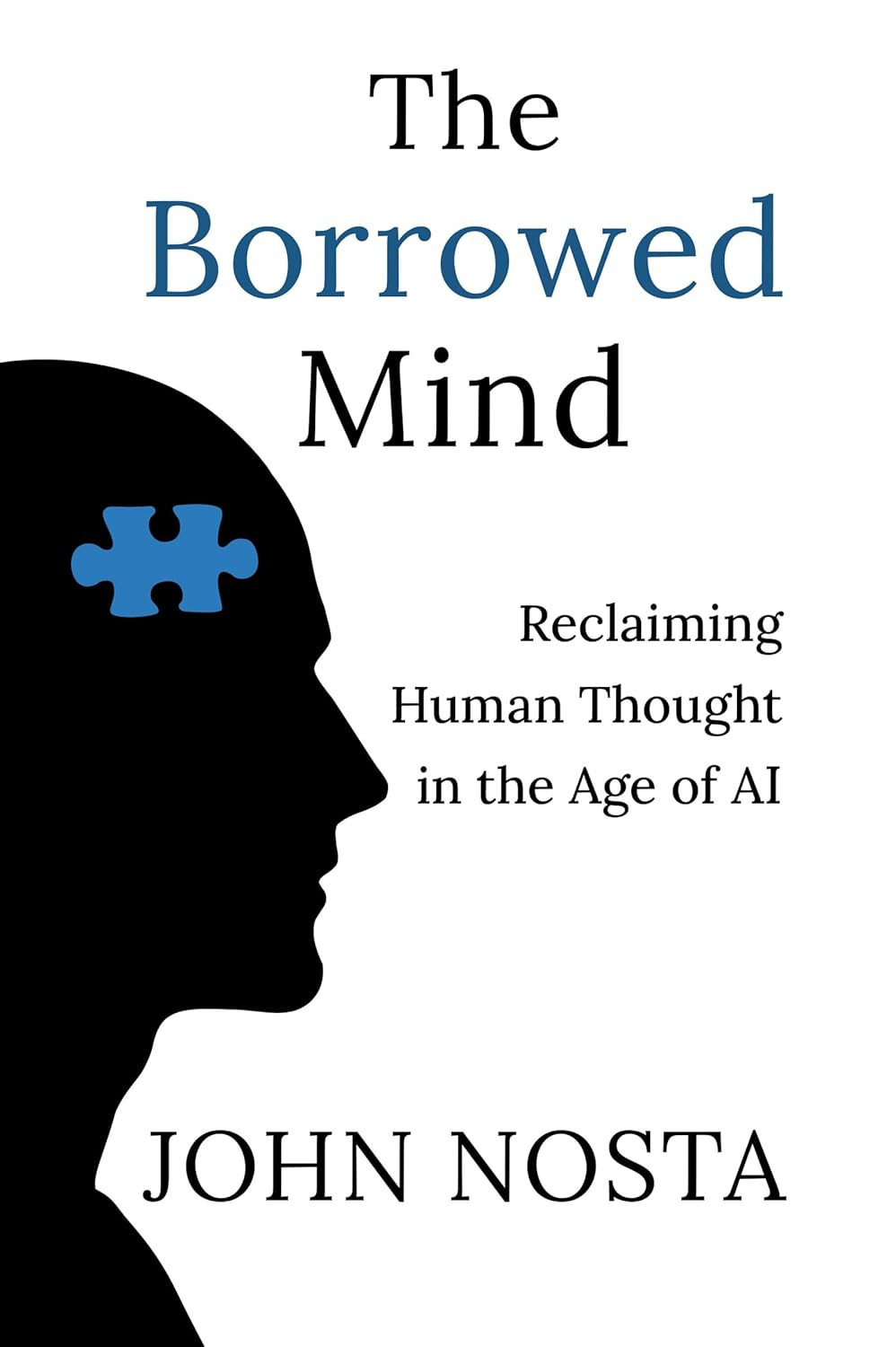
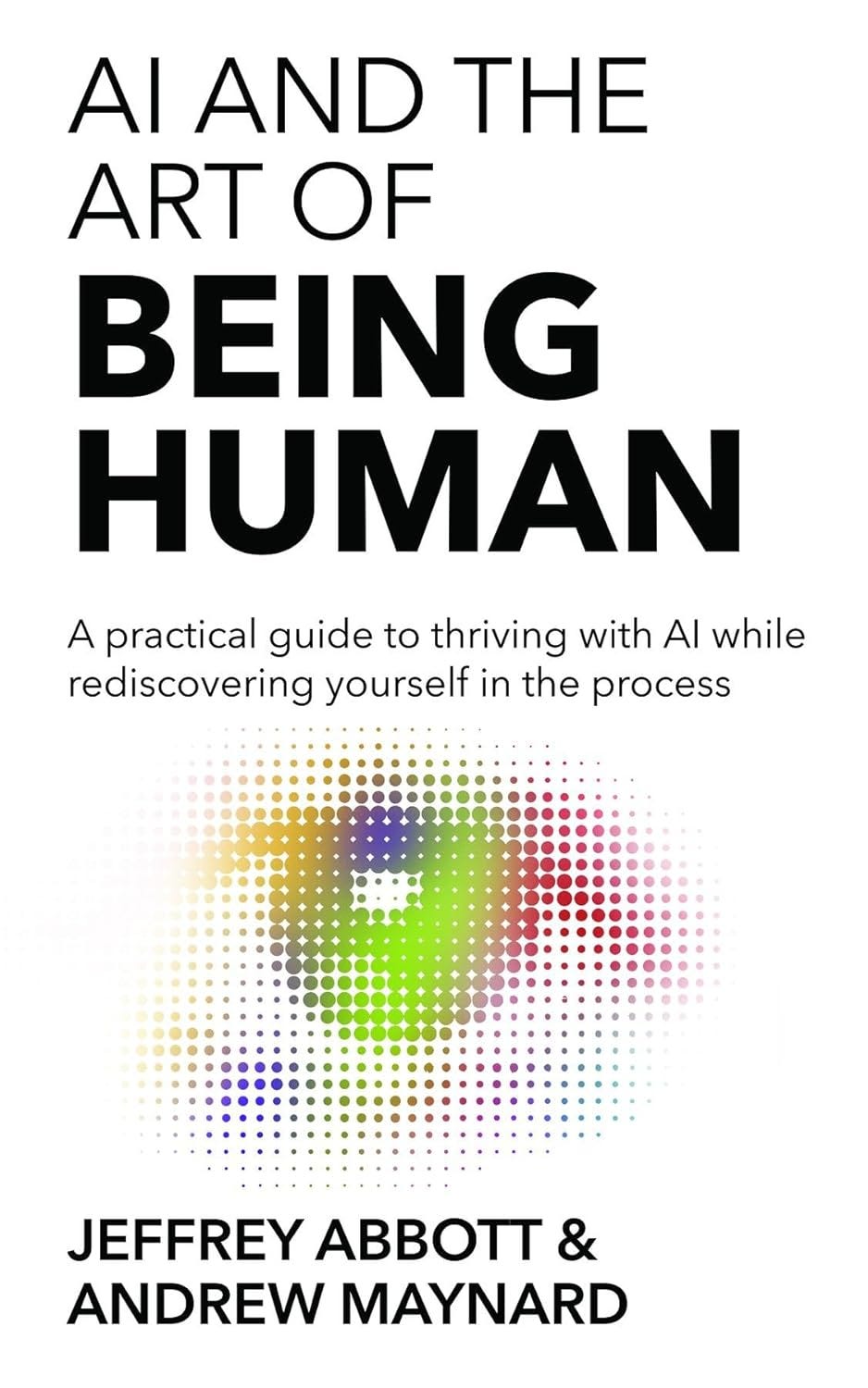
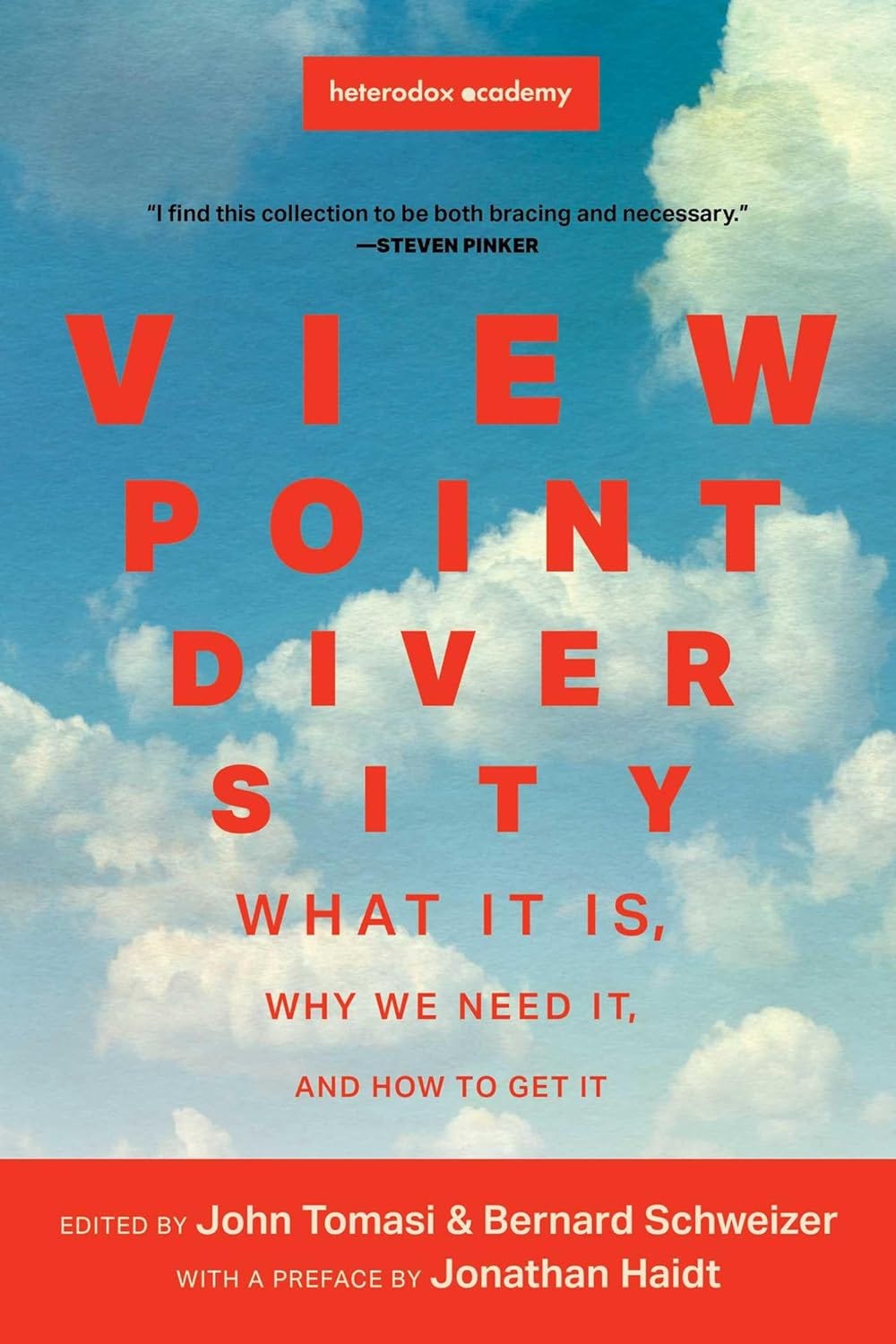
“Viewpoint diversity” has become one of the most discussed and contested ideas in higher education, and beyond. What are some useful ways of understanding the terrain of thought about “viewpoint diversity?
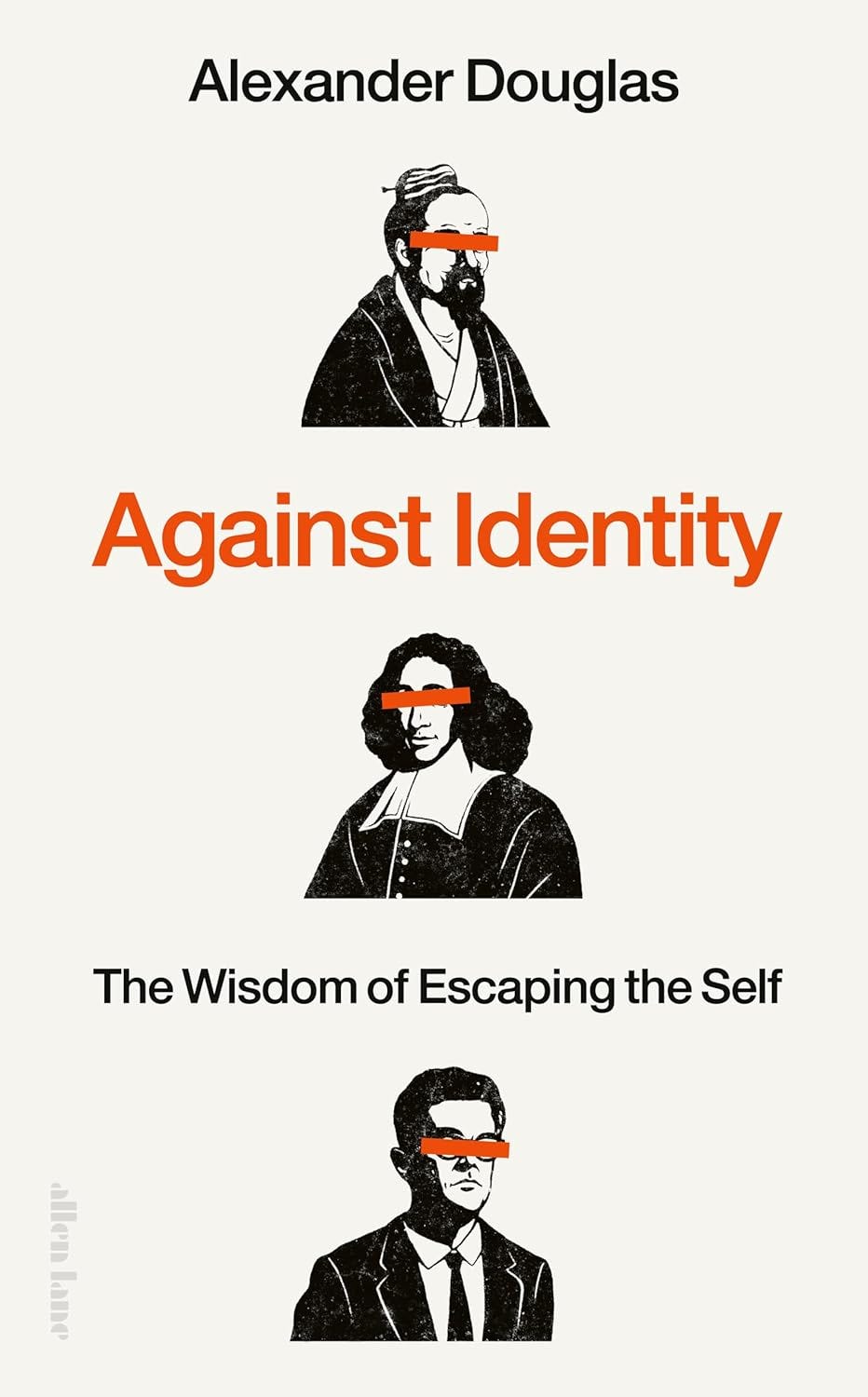
Identity politics and the older “political correctness” have become bromide-ridden in themselves, reducing possibilities for real conversation among challenging topics. What are some better ways of thinking beyond these categories?
We are now often hearing the phrase “post literacy” to describe declining reading habits and abilities among younger age cohorts. How strong are these claims and what alternatives to encourage deeper reading are possible?
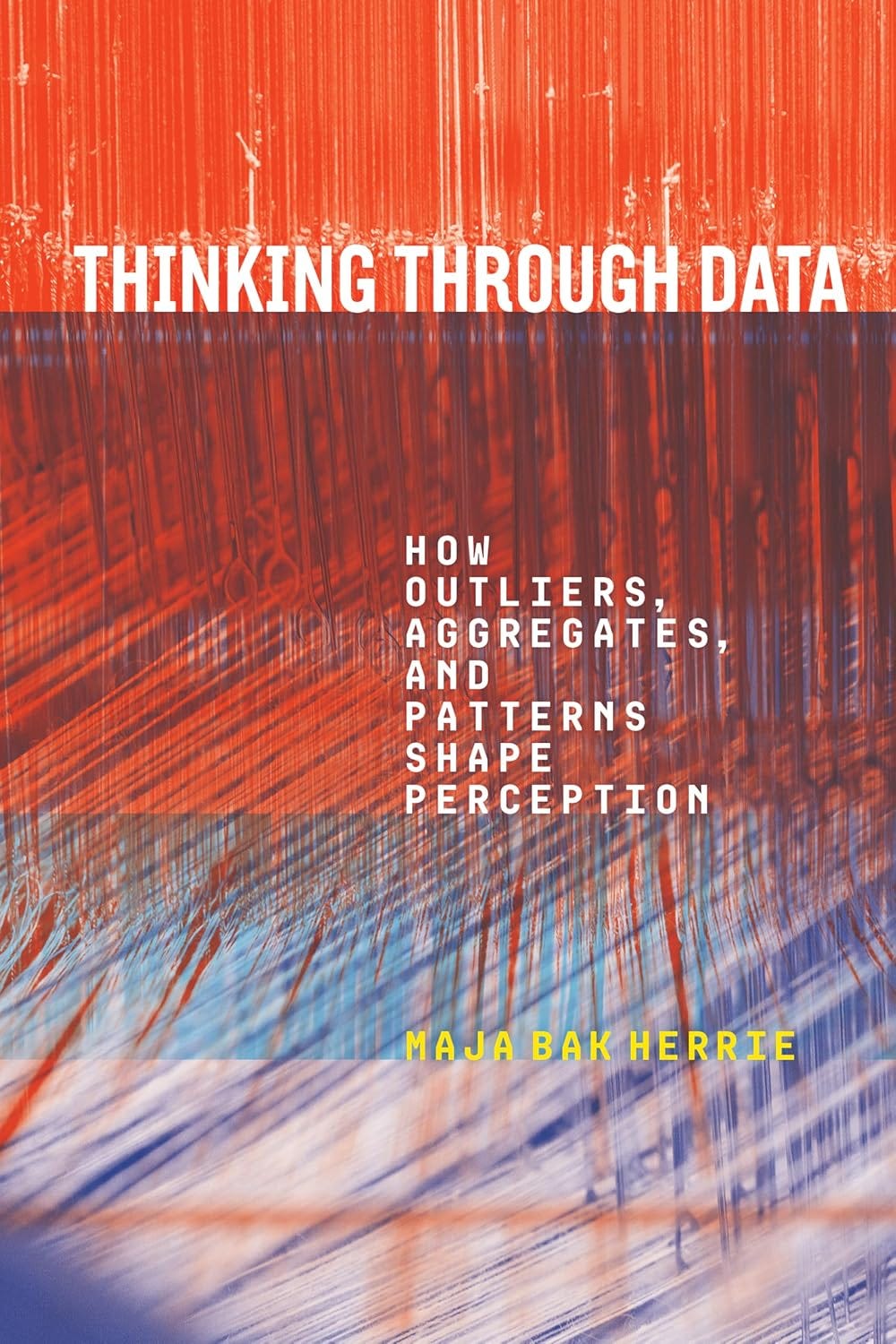
Data and metrics permeate our lives, professionally and personally. Given this situation, what are some optimal ways of thinking about our personal freedom given the constraints that datafication and numbers place on us?
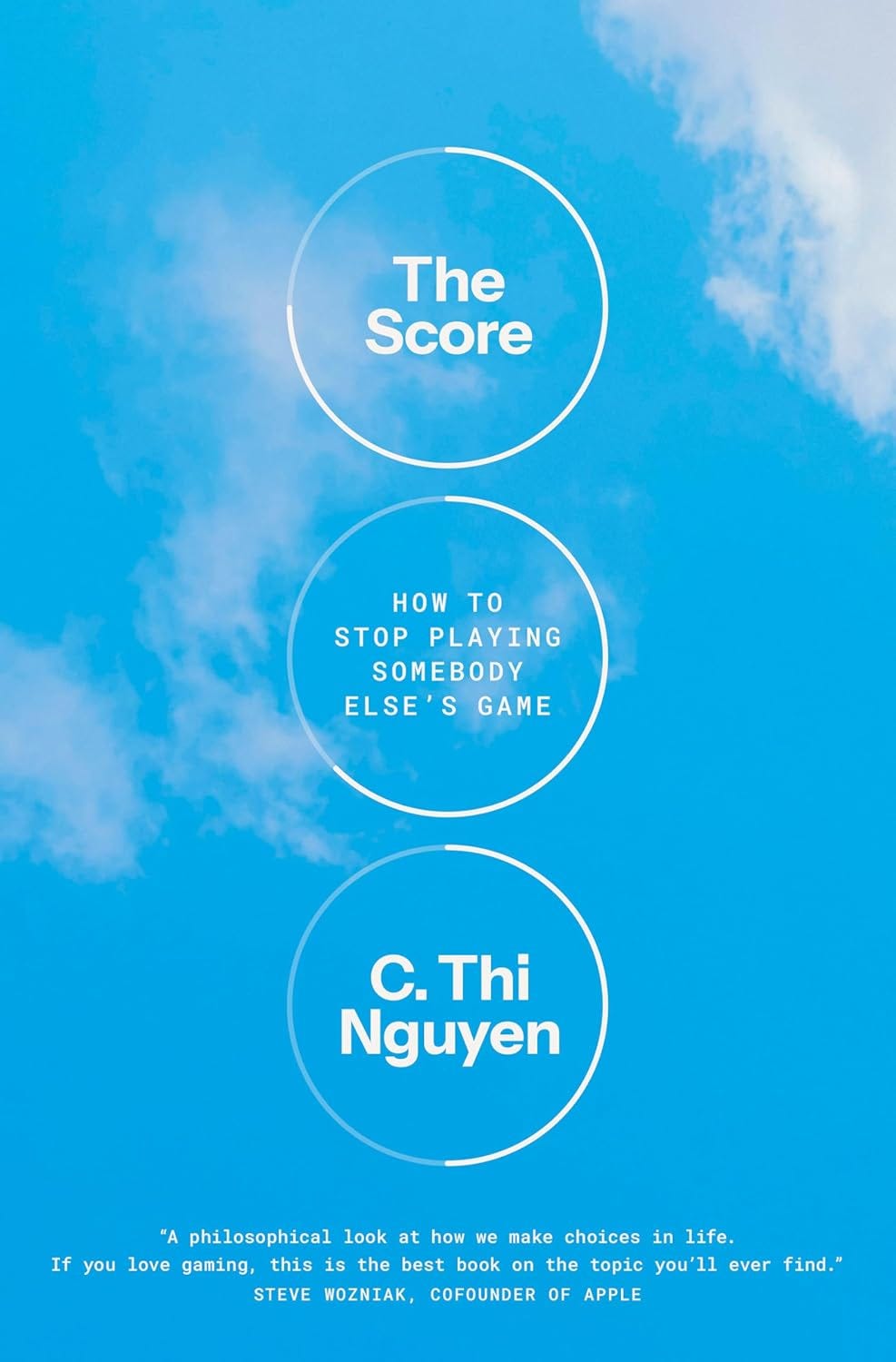
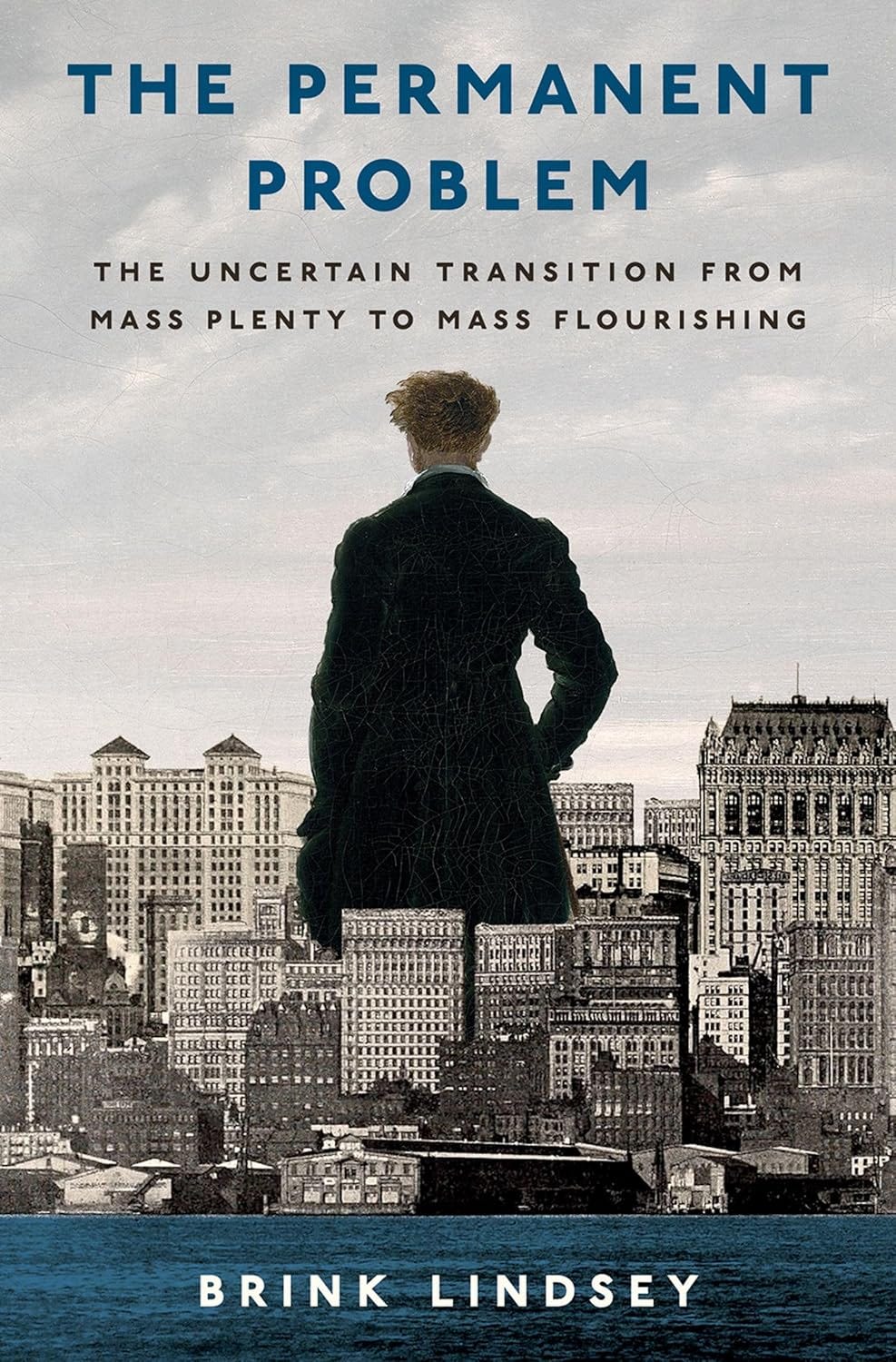
The term “flourishing” is increasingly used to describe a better state of well-being for people (in addition to financial stability or career aspirations). How should we think about what “human flourishing” looks like in an age of mass affluence with high rates of dissatisfaction with governments and established institutions?
There is much debate, and controversy, about the trade-offs with the digital life most of us lead, with the inevitable advantages and also losses—instant connectivity and exposure to new realms of experience, and belonging to new groups and meeting new colleagues--set against the loss of privacy, the distractibility, and diminished attention. How can we think productively about these complexities?
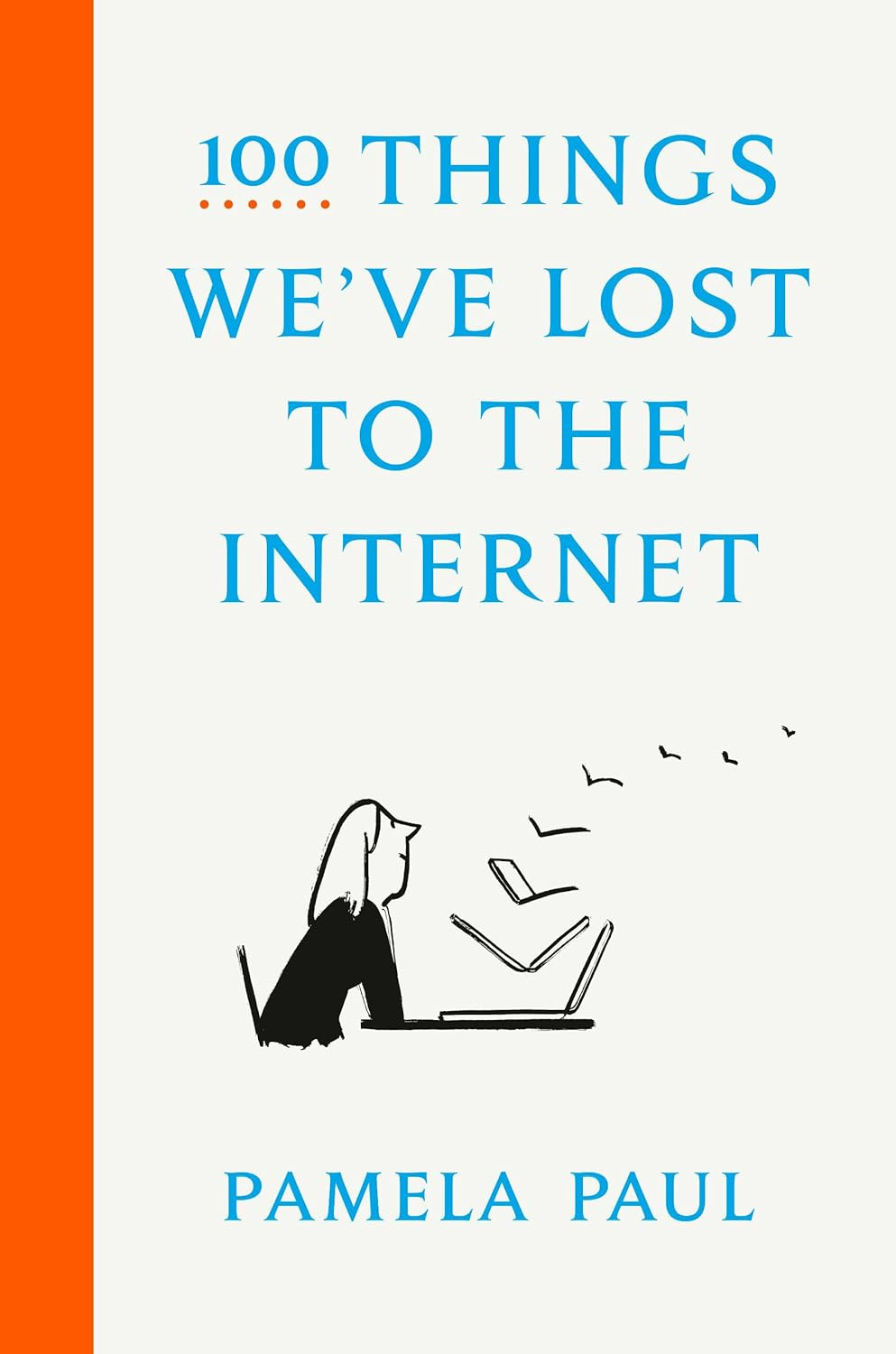
100 Things We’ve Lost to the Internet: Paul, Pamela: 9780593136775: Amazon.com: Books
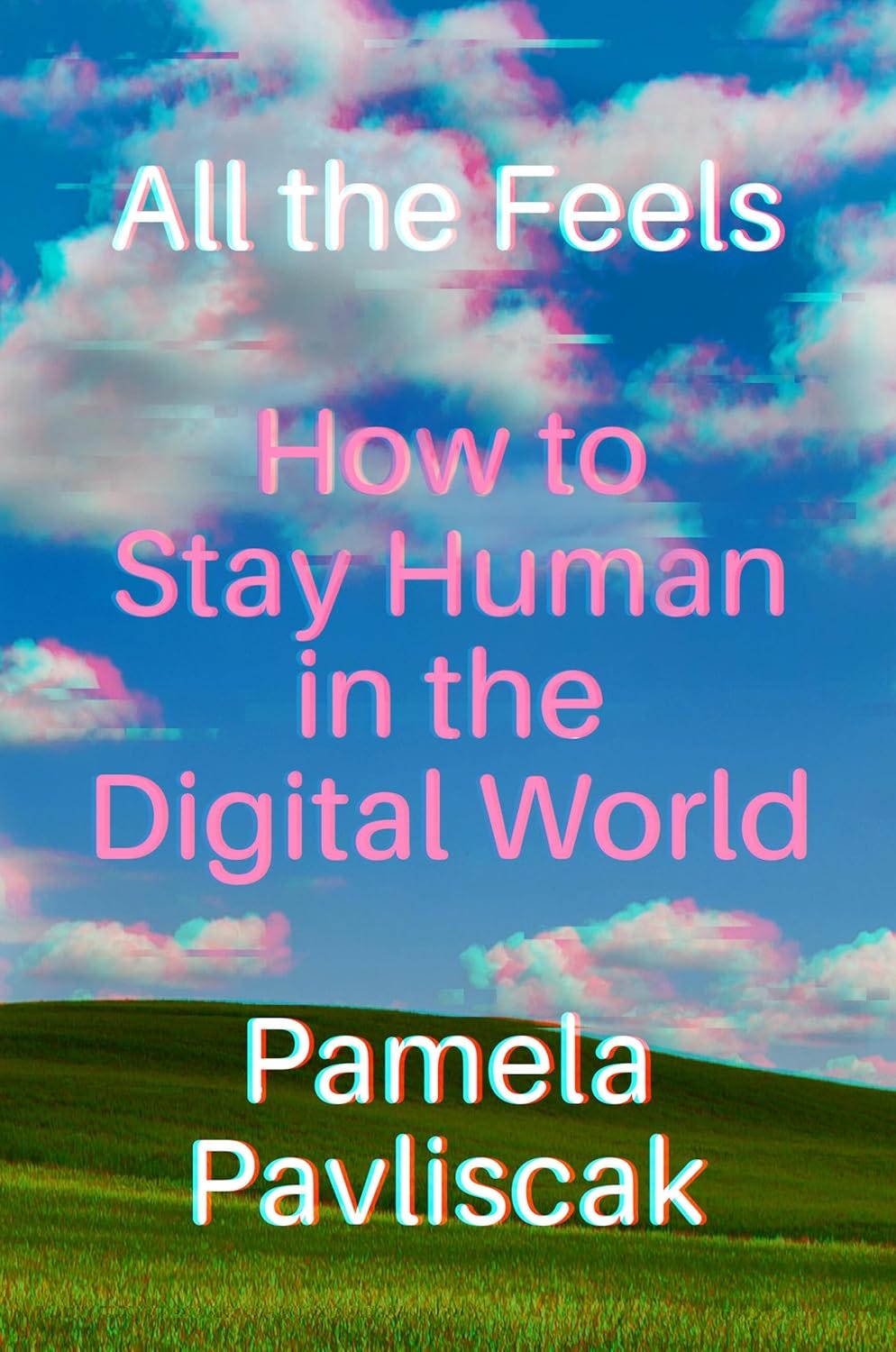
All the Feels: How to Stay Human in the Digital World: Pavliscak, Pamela: 9781643753966: Amazon.com: Books [forthcoming]
Thinking About Conformity
In addition, I look forward to these forthcoming titles to address the complexities of human behavior in societies where conformity stifles dissent and freedom of thought. One is Ian Buruma’s Stay Alive: Berlin, 1939-1945, about his family’s experience under Nazi rule. The other is Gal Beckerman’s How to Be a Dissident in contemporary society with emerging authoritarianism making dissent risky and the appeal of conformity is always present.
Fantastic and thought-provoking list! Now...the challenge is to read them all in 2026 without getting digitally distracted!
Craig: I applaud your interest in reading and thinking across political perspectives. I think John Locke got it right when he wrote that "everyone is orthodox to himself"--that our human default is to protect our beliefs rather than to explore the range of other viewpoints. This looks like a fantastic reading list!